


Updated 15 October 2026.
Colombia → Peru → Bolivia → Chile → Argentina → Brazil. Eight weeks, a dorm bed and a backpack you can carry yourself.
Start with Cartagena’s yellow walls and Caribbean heat. Finish on a beach in Rio. In between, there are Andean cities, Lake Titicaca, a salt-flat detour if you want it, and enough long bus journeys to become very particular about your seat.
You can do this trip with bunk beds, hostel kitchens and plenty of days that cost little beyond food and a place to sleep. Buy rice, lentils, vegetables and breakfast supplies. Stay somewhere long enough to use them. Spend your money on the journey or the one experience you really care about.
This route keeps the six countries from NomadApp’s original South America trip, with updated transport research and more time in Colombia, Peru and Bolivia. Our lean eight-week planning target is US$2,000–3,000 per person, before flights to and from South America, insurance, visas and major paid attractions. The full breakdown is below the route; it is a model to price against your dates, not a package offer.
Your route from Cartagena to Rio
Cartagena → Santa Marta → Bogotá → Lima → Cusco → Copacabana → La Paz → Uyuni → Calama → Santiago → Buenos Aires → Puerto Iguazú → Foz do Iguaçu → Rio.
Allow 14 days in Colombia, 16 in Peru, 12 in Bolivia, four in Chile, four in Argentina and six in Brazil, including travel. Chile and Argentina are brief stops in this version. Add days for detours rather than squeezing every place into an already full week.
The flight buttons below open the airline’s route page so you can choose your dates. Select one way where appropriate. Fare examples were checked on 15 October 2026 and are separate observations, not a connected itinerary. Compare the final fare with your actual bag and airport transfers before paying.
1. Colombia: Cartagena, coast days and Bogotá
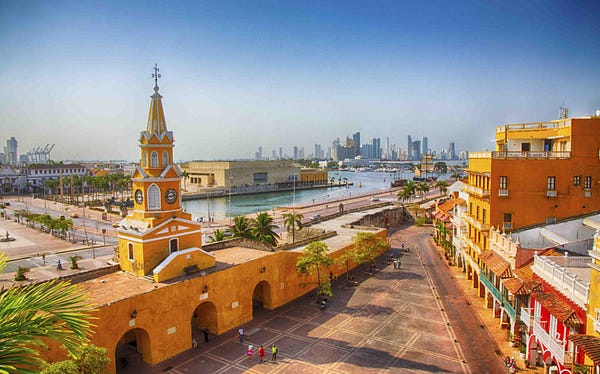
Give Cartagena a few days. Walk through the old town early, take a break from the midday heat and head toward Getsemaní later. The streets around Plaza de la Trinidad are a good place to get a feel for the neighbourhood without committing to a restaurant or tour.
For accommodation, compare the complete day: a dorm, kitchen access and the transport you will need. A cheaper bed far away can stop being a bargain after two taxis. Check fans or air-conditioning, lockers and recent cleanliness reviews before chasing the lowest number.
Continue by bus to Santa Marta and unpack for several nights. Use it as a base rather than moving your bag every time you visit somewhere nearby. Waterfront walks and beach time suit the shoestring version; check local swimming conditions and any access charges. Taganga is an optional outing, not another mandatory stop.
Tayrona is the paid alternative. Add admission and transport separately, and check the national park’s closure calendar: the published schedule includes 19 October–2 November. Have another coast plan if your dates overlap.
Getting to Bogotá
This is the first flight worth comparing with a bus. JetSMART advertised COP159,230 one way on 14 November 2026, including taxes, when checked. Add any baggage you need.

In Bogotá, build a day around the streets and squares of La Candelaria. You can see a lot of the neighbourhood’s architecture on foot. Get current route advice from your accommodation and leave paid viewpoints for a separate decision.
Bogotá → Lima: price this leg first
The international jump can cost more than several days of beds and meals. A checked JetSMART example was US$289 one way on 31 October 2026. Search a few neighbouring dates before fixing the rest of the itinerary.
2. Peru: Pacific walks, Cusco and one possible splurge
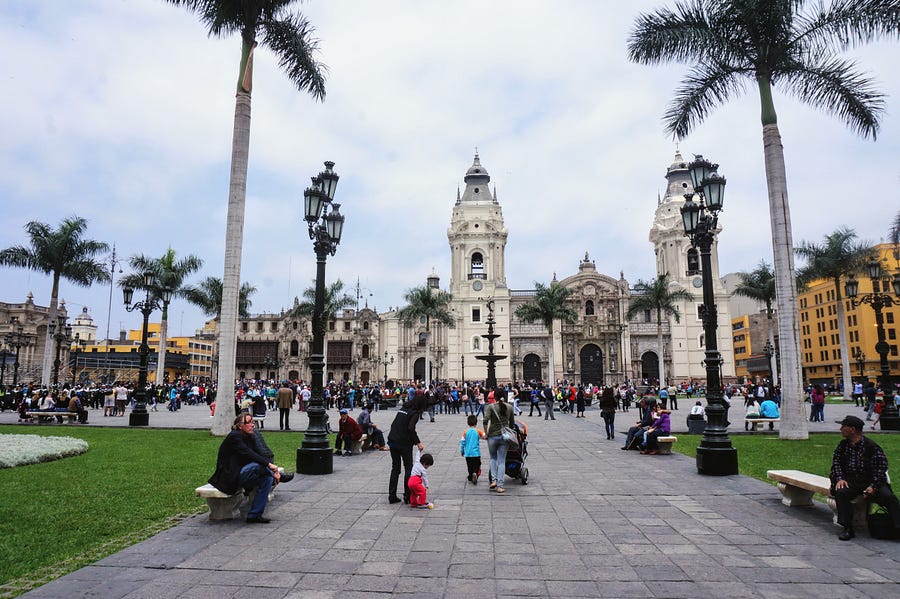
You do not need a packed schedule in Lima. Spend one day around the historic centre and another on the Miraflores malecón, with food from the supermarket and time to sit by the ocean. Peru’s tourism board lists the promenade as free to enter. Barranco adds street art and a different neighbourhood to explore; these are separate outings if crossing the city would make the day rushed.
Next, choose your route to Cusco. If you want the coast and desert, keep Paracas and Huacachina, then compare onward buses from Ica. Boats and dune activities cost extra. If Cusco is the priority, compare a direct flight from Lima instead of paying for stops you do not especially want.
JetSMART advertised S/149 one way on 19 December 2026, before taxes and fees. That is an example to compare, not a fare available on every day.

In Cusco, find a kitchen hostel and give yourself time. Start with easy walks around the centre, look at the market food options and compare a local set lunch with cooking. Cheap travel works better when you have enough energy to enjoy it.
Altitude affects the plan. Arriving by plane is a big change in elevation, and two nights does not guarantee acclimatization. Keep strenuous activities flexible and follow current altitude guidance.
Make Machu Picchu a deliberate choice

If this is the reason you came to Peru, save for it. Price admission, access transport, an extra night if needed, any guide requirement and the bus from Aguas Calientes if you use it. Secure the correct circuit and entry time through the official Tu Boleto ticket platform before committing to the transport around it.
If it does not fit this trip, you still have Cusco, the next border crossing and a long journey ahead. The base budget below does not quietly include Machu Picchu.
3. Bolivia: Lake Titicaca and the road to Uyuni
Continue from Cusco through Puno toward Copacabana. Confirm that your ticket covers the journey you expect, including the border arrangements. Keep room for delays: roadblocks can disrupt southern Peru, and a tight onward flight is an expensive way to end a cheap bus ride.
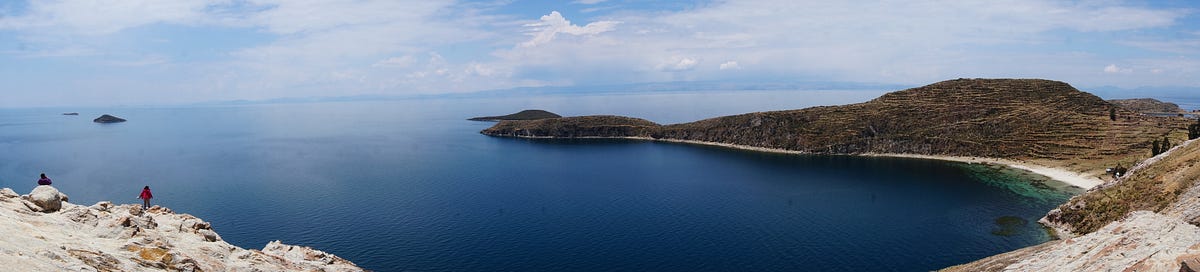
Spend time by the lake in Copacabana. Add Isla del Sol if the boat fare, local charges and an overnight stay fit your budget. Ask about current access before setting out. A few slow days here can be more rewarding than another sequence of late arrivals and early departures.
Then continue to La Paz, restock food and arrange the journey to Uyuni. Compare bus departure times, seat types and arrival arrangements. A night bus only saves a hostel night if you can manage the morning arrival without immediately paying for a room.

Uyuni is another place to choose your splurge. Compare a day trip followed by a regular bus to Chile with a multi-day tour that finishes in San Pedro de Atacama. Get the finish point, meals, nights, entrance fees and border transfer in writing. This operator’s crossing itinerary shows the kind of route to compare; ask for a current complete quote.
4. Chile: cross the desert, then head to Santiago
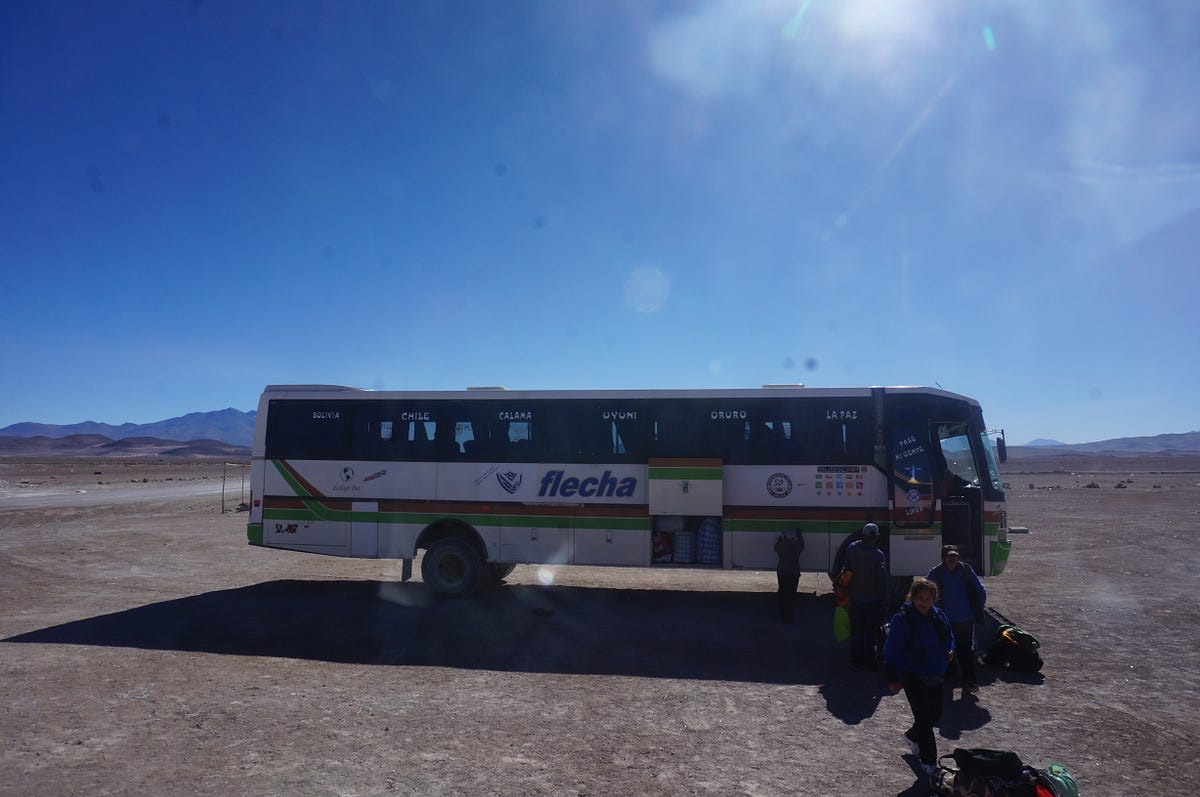
For the lean version, take a regular Uyuni–Calama bus via Ollagüe–Avaroa. Tickets Bolivia lists the crossing; check the operating day, pickup and final fare. Leave a buffer before flying onward.
San Pedro de Atacama is optional. If you want its landscapes and excursions, budget for the detour and extra days. If you arrive there on a Uyuni tour, count the included transport once and arrange your onward transfer to Calama.
Calama → Santiago
Check a flight before committing to another long bus journey. JetSMART advertised CLP31,900 one way on 22 November 2026, excluding taxes and fees. Include your baggage and airport transfers in the comparison.
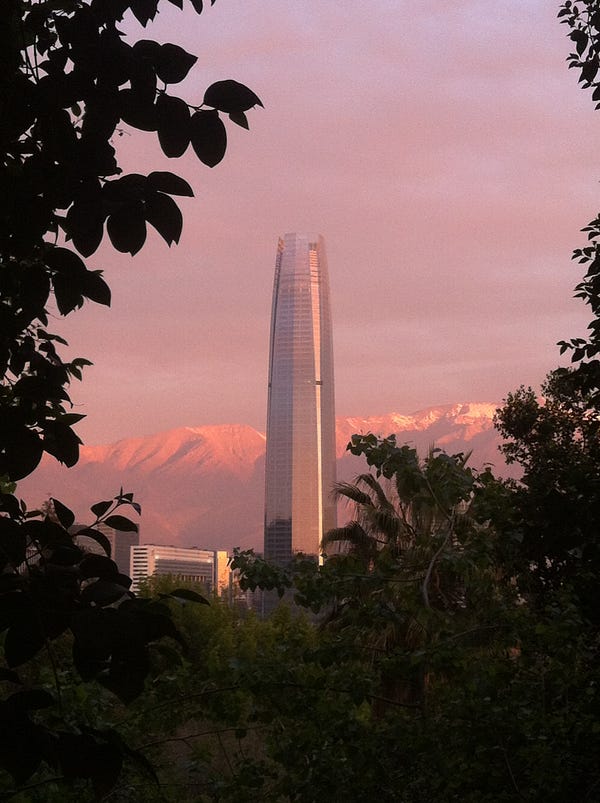
Keep Santiago simple: a kitchen hostel, a grocery run, public squares and time walking through the city. Plaza de Armas, Lastarria and the Santa Lucía area give you a starting point for exploring; check opening hours for the hill itself. Chile’s official Santiago guide is useful for choosing what interests you.
Santiago → Buenos Aires
Compare the flight with the overland option. A checked SKY example was CLP102,690 per direction to Ezeiza on 20 December 2026. Its quoted Basic fare includes a small personal bag. Airport choice matters: Ezeiza (EZE) and Aeroparque (AEP) have different transfers.
5. Argentina: Buenos Aires on foot, then Iguazú

After the Andes, give yourself a different rhythm. Walk the centre, spend time in San Telmo, or pack lunch for Palermo’s parks. Buenos Aires has an official guide to free attractions, so a good day does not need a ticketed show or a restaurant reservation.
The suggested four days includes onward travel, so this is a brief visit. If Buenos Aires is a highlight for you, borrow days from an optional detour earlier in the trip.
Buenos Aires → Puerto Iguazú
Search IGR, the Argentine airport. JetSMART’s Paraguay-market page advertised US$48 one way on 10 November 2026, before taxes and fees. Check the full price and conditions for your booking market, including your bag.
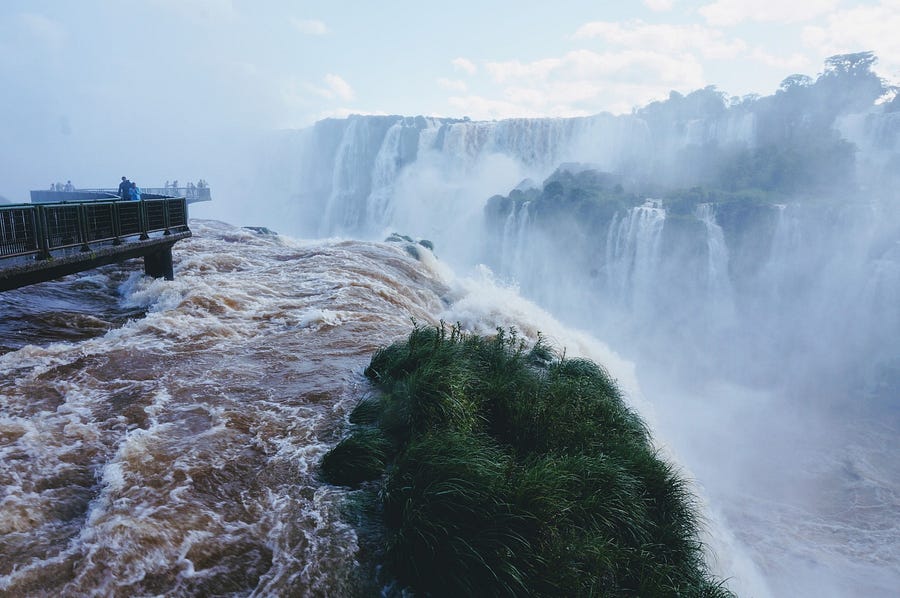
The falls are not included in an ordinary border crossing. Choose which side you want to visit, price admission and local transport, and give it a real day. Seeing both sides means two park budgets and usually more time.
When you cross into Brazil, you arrive in Foz do Iguaçu. Its airport code is IGU, not IGR. Do not book a departure from the other side of the border as if the two airports were interchangeable.
6. Brazil: finish with beach days in Rio
São Paulo was a stop in the original itinerary. Keep it if you want to visit, but do not add another city just because an old route included it. Compare Foz–Rio flights, including direct and connecting options, with the total cost of going through São Paulo.
LATAM’s checked example was R$459.50 one way on 13 December 2026, with a connection and taxes included. The cheapest displayed fare was not a nonstop flight; check the travel time and baggage conditions.

Finish with some days that have no transport deadline. Take breakfast at the hostel, head to the Copacabana or Ipanema promenade, and leave room for beach time. Ask your accommodation for current local advice on routes and conditions. Choosing a convenient base can save both travel money and time.
Christ the Redeemer, Sugarloaf and organised excursions are optional extras. If you choose one, add it to the budget. The rest of the day can still be a beach, a book and dinner you cook with people from the hostel.
Check your passport’s entry rules before reaching the border. US, Canadian and Australian passport holders have required visitor visas again since 10 April 2025; eligible travellers can use the Brazilian e-visa process. Other nationalities have different requirements.
What eight weeks might cost
These are editorial spending targets, not surveyed hostel averages or a live booking basket. They assume dorm beds, kitchen meals, drinking water, modest local transport and mostly free activities. Check actual beds on your dates before committing to flights, especially in Cartagena, Chile and Rio.
| Country | Days | Bed, food and local transport per day | Worked total |
|---|---|---|---|
| Colombia | 14 | US$15–22 | $210–308 |
| Peru | 16 | US$15–22 | $240–352 |
| Bolivia | 12 | US$10–16 | $120–192 |
| Chile | 4 | US$25–35 | $100–140 |
| Argentina | 4 | US$22–32 | $88–128 |
| Brazil | 6 | US$23–35 | $138–210 |
| Everyday costs | 56 | $896–1,330 |
Add $750–1,100 for regional transport, including intercity buses, flights, essential bags, border transport and airport transfers, plus $50–100 for laundry, connectivity and incidentals. Add a 15% buffer. That gives about $1,950–2,910, rounded up to the $2,000–3,000 planning target.
International flights, insurance, visas, pre-trip medical costs and major attractions sit outside that number. Machu Picchu, Uyuni tours, Tayrona, Iguazú parks and Atacama excursions each need a separate quote. If a package includes beds, food or a transfer, deduct those from the ordinary allowances so you do not count them twice.
A $20 day might mean a $10 bunk, $7 for groceries and water, and $3 for local transport. It is a way to divide money, not a promise that every destination offers those prices. If your quotes are higher, change the budget or the route.
The small habits that make the budget work
Choose a working kitchen. Read recent reviews for hobs, pans, fridge space and cooking access. A slightly dearer bed with a kitchen can leave you spending less by evening.
Cook food you will finish. Rice, lentils or beans, vegetables and eggs make a useful starting shopping list. Share staples when you can, carry breakfast for travel days, and compare the local set lunch before assuming self-catering always wins.
Stay long enough to settle in. Every checkout can bring another taxi, luggage-storage charge or meal bought in a hurry. Give yourself ordinary days between the journeys.
Travel with the bag you priced. A cabin backpack is not automatically a free personal item. Measure it and compare the final ticket cost. A “free” walking tour also usually expects a tip.
Choose your splurge before you leave. You do not need every excursion. Saving for the one you care about makes the everyday compromises feel worthwhile.
A few useful answers before you book
Can I still do six countries for $600?
Not as a full trip. The original article’s $656 total covered selected transport from a 2015 journey. Beds, food and major experiences were additional. Keep those costs separate when planning your own route.
Are buses always the cheapest option?
No. Use the flight links above and compare ticket + luggage + transfers + any extra overnight stay with the bus. Cheap flights can help on long legs; short overland journeys can avoid airport costs.
What should I book first?
Compare arrival in Colombia and departure from Brazil with the route in reverse. Then price Bogotá–Lima and the other long jumps, test hostel costs on your dates and choose any major paid attraction. Leave flexible time around borders and long bus journeys.
What if I have less than $2,000?
Price a trip with fewer countries before cutting food or transport quality. Spending longer in one or two affordable bases can make the money last. This six-country journey has a substantial transport bill even when daily life is very simple.
About this update: the original NomadApp story describes the team’s 2015 journey. This 2026 edition uses current route research and dated advertised fares; it does not claim a new firsthand trip. All 13 photographs, including the cover, are reused from the original article. Fares can change, and the seven examples are not one continuous bookable itinerary. Found a changed detail? Tell NomadApp.


